


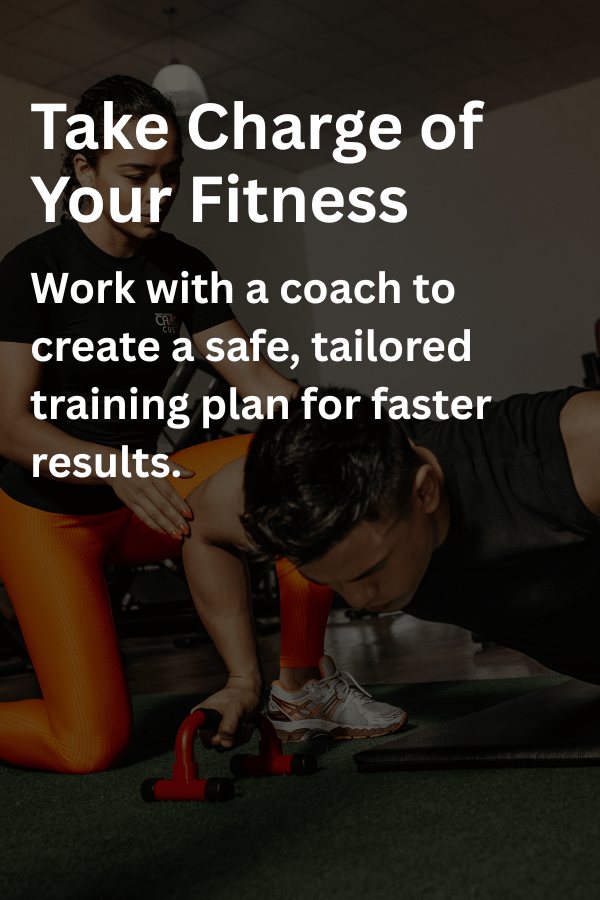
Training Image

Transform Your Body, Transform Your Life

Training is the foundation of achieving a healthy and active lifestyle. Whether you are a beginner or an experienced fitness enthusiast, proper training helps improve strength, endurance, and overall well-being. Exercise training is not just about lifting weights or running long distances; it involves a structured approach to physical activity that targets different aspects of fitness, including strength, flexibility, balance, and cardiovascular health.

Consistent training enhances muscle tone, boosts metabolism, reduces stress, and supports long-term health goals such as weight management and heart health. Moreover, effective training plans are tailored to individual needs, ensuring safe progression and minimizing the risk of injuries. By integrating proper training techniques and routines into your daily life, you can achieve sustainable results while improving both your physical and mental health. Embracing training as a lifestyle ensures lasting benefits and a stronger, more resilient body.

Get Started Now
Download Guide
Book a Session

Types of Exercise Training

Training can take many forms, each designed to improve different aspects of your physical fitness. Understanding the various types of exercise training allows you to create a well-rounded routine that targets strength, endurance, flexibility, and overall health. Incorporating a mix of training types ensures balanced results and helps prevent boredom, plateaus, or injuries. Below are the most common and effective types of exercise training:

1. Strength Training
Strength training focuses on building muscle power, tone, and endurance. This type of training includes exercises such as weightlifting, push-ups, squats, and resistance band workouts. Regular strength training improves metabolism, supports bone health, and enhances overall functional fitness.

2. Cardio Training
Cardiovascular or cardio training is designed to improve heart and lung function. Activities like running, cycling, swimming, and aerobic classes increase stamina, burn calories, and support weight management. Cardio training also boosts mood and reduces the risk of heart disease.

3. Flexibility & Mobility Training
Flexibility training helps improve the range of motion in muscles and joints. Yoga, Pilates, and dynamic stretching routines are key examples. This type of training reduces the risk of injuries, improves posture, and enhances daily movement efficiency.

4. Balance & Stability Training
Balance and stability training focus on coordination, core strength, and body control. Exercises like single-leg stands, balance board routines, and stability ball workouts improve posture, prevent falls, and enhance overall functional fitness.

5. High-Intensity Interval Training (HIIT)
HIIT combines short bursts of intense activity with brief recovery periods. This type of training maximizes calorie burn, improves cardiovascular endurance, and can be done in a short amount of time, making it highly efficient for busy lifestyles.

Incorporating these types of training into your routine ensures a balanced approach to fitness, helping you achieve strength, endurance, flexibility, and overall health effectively.


Training-web

Benefits of Regular Exercise Training

Regular training is essential for maintaining a healthy body and mind. Incorporating structured exercise training into your daily routine not only improves physical fitness but also enhances overall well-being. Consistent training supports strength, flexibility, endurance, and mental health, making it a cornerstone of a balanced lifestyle. Here are 8 major benefits of regular exercise training in detail:

1. Improves Physical Strength
Training helps build muscle strength, endurance, and power, which improves your ability to perform daily activities with ease. Stronger muscles also protect joints from strain, enhance posture, and reduce the risk of injuries during physical activity.

2. Boosts Cardiovascular Health
Cardio-focused training strengthens the heart and lungs, improves blood circulation, and reduces the risk of chronic conditions such as hypertension, heart disease, and stroke. Regular cardiovascular training also helps regulate cholesterol levels and improves overall heart function.

3. Supports Weight Management
Regular training increases calorie burn, boosts metabolism, and helps maintain a healthy body weight. Combined with proper nutrition, training can prevent obesity, reduce fat accumulation, and promote lean muscle development.

4. Enhances Flexibility and Mobility
Incorporating stretching, yoga, or mobility exercises improves joint movement, reduces stiffness, and enhances overall body coordination. Better flexibility helps prevent muscle strains and supports proper posture during daily activities.

5. Improves Mental Health
Exercise training stimulates the release of endorphins and serotonin, which reduce stress, anxiety, and depression. Regular physical activity improves focus, mental clarity, and overall mood, making it a natural way to support emotional well-being.

6. Strengthens Bones and Joints
Weight-bearing and resistance training increase bone density, strengthen joints, and reduce the risk of osteoporosis and fractures. This is particularly important as we age, helping maintain mobility and independence.

7. Boosts Energy and Stamina
Consistent training improves cardiovascular efficiency, oxygen delivery, and muscle endurance. This results in higher energy levels throughout the day, reduced fatigue, and improved performance in both workouts and daily tasks.

8. Promotes Better Sleep
Regular exercise training regulates sleep cycles, helping you fall asleep faster and enjoy deeper, more restorative rest. Adequate sleep also supports recovery, improves focus, and boosts overall health.

Engaging in regular exercise training ensures a stronger, fitter body and a healthier mind, making it an essential component of a long-lasting, active lifestyle. By committing to consistent training, you gain physical, mental, and emotional benefits that support overall wellness.

Training-web

How to Start an Effective Exercise Training Plan

Starting an effective exercise training plan is the key to achieving long-term fitness and overall health. Training is most beneficial when it is structured, consistent, and tailored to your individual needs. Whether your goal is weight loss, muscle gain, improved endurance, or better overall health, a well-planned training routine ensures you get results safely and efficiently. Here’s a detailed guide on how to begin an effective exercise training plan:


1. Assess Your Fitness Level
Before starting any training program, evaluate your current fitness level. Consider factors like strength, flexibility, endurance, and any medical conditions. Knowing your starting point helps you choose suitable exercises and avoid injuries.


2. Set Clear and Realistic Goals
Identify what you want to achieve through training. Goals can include weight management, increased strength, improved cardiovascular health, or enhanced flexibility. Setting realistic and measurable goals keeps you motivated and focused.


3. Choose the Right Type of Training
Select exercises that align with your goals. Include a mix of strength training, cardio, flexibility, and balance exercises for a well-rounded routine. Diversifying your training prevents boredom and ensures balanced fitness development.


4. Create a Structured Schedule
Plan your training days, duration, and intensity. Beginners can start with 3–4 days a week and gradually increase frequency. Consistency is key—regular training is more effective than sporadic, intense workouts.


5. Start Slowly and Progress Gradually
Avoid overtraining at the start. Begin with manageable intensity and gradually increase weights, repetitions, or workout duration. Progressive training allows your body to adapt safely and prevents fatigue or injury. intense workouts.


6. Include Warm-Up and Cool-Down Sessions
A proper warm-up prepares your muscles and joints for training, reducing injury risk. Cooling down with stretching helps in recovery, improves flexibility, and prevents muscle soreness.


7. Track Your Progress
Keep a record of your training routines, weights, repetitions, and improvements. Tracking progress boosts motivation, helps you adjust your plan, and ensures steady improvement.


8. Focus on Recovery and Nutrition
Adequate rest, sleep, and a balanced diet are vital for effective training. Recovery allows muscles to repair and grow stronger, while proper nutrition fuels your workouts and supports overall health.


Starting an effective exercise training plan with a structured, gradual, and balanced approach ensures sustainable results. By combining goal setting, proper exercise selection, consistency, and recovery, training becomes a powerful tool for achieving long-term fitness and overall well-being.

Common Mistakes in Exercise Training

While exercise training offers numerous health benefits, many people unknowingly make mistakes that limit their progress or even cause injuries. Proper training requires not only effort but also awareness of common pitfalls. Avoiding these mistakes ensures you get the maximum results safely and maintain long-term fitness. Here are the most frequent mistakes people make during training and how to prevent them:

1. Skipping Warm-Ups and Cool-Downs
Neglecting warm-up exercises before training or skipping cool-downs afterward increases the risk of injuries and muscle soreness. Warm-ups prepare the body for physical activity, while cool-downs aid recovery and flexibility.

2. Overtraining
Pushing your body too hard without adequate rest can lead to fatigue, decreased performance, and even injury. Effective training balances intensity with recovery days to allow muscles to repair and grow stronger.

3. Poor Form and Technique
Incorrect posture or technique during exercises reduces effectiveness and increases injury risk. Focusing on proper form during every repetition ensures that the targeted muscles are engaged safely.

4. Lack of Consistency
Irregular training routines yield limited results. Consistency is key—regular training, even in smaller durations, produces better long-term outcomes than occasional intense workouts.

5. Ignoring Individual Needs
Not all training programs suit everyone. Following generic routines without considering your fitness level, goals, or physical limitations can hinder progress and cause strain. Personalized training plans are more effective and safer.

6. Neglecting Nutrition and Hydration
Training without proper nutrition and hydration reduces energy, slows recovery, and limits muscle growth. Balanced meals and sufficient water intake support performance and overall health.

7. Relying Only on One Type of Training
Focusing solely on strength, cardio, or flexibility exercises creates imbalances. A well-rounded training plan that incorporates multiple types of exercises ensures comprehensive fitness and reduces the risk of injury.

8. Setting Unrealistic Goals
Unrealistic or extreme goals can lead to frustration and burnout. Effective training requires achievable, progressive targets that motivate and sustain long-term commitment.

By recognizing and avoiding these common mistakes in training, you can maximize results, reduce the risk of injury, and enjoy a sustainable, effective fitness journey. Proper guidance, consistency, and awareness make training a safe and rewarding experience.

Training-web

Best Exercises for Beginners

Starting a training routine as a beginner can feel overwhelming, but choosing the right exercises ensures safe progress and lasting results. Effective training for beginners focuses on building strength, improving endurance, enhancing flexibility, and developing proper form. A balanced beginner training plan lays the foundation for long-term fitness and prevents injuries. Here are some of the best exercises to start your training journey:

1. Bodyweight Squats
Bodyweight squats are excellent for building lower body strength and improving balance. They engage the quads, hamstrings, glutes, and core, making them a fundamental exercise in beginner training routines.

2. Push-Ups
Push-ups strengthen the chest, shoulders, arms, and core. Beginners can start with knee push-ups or wall push-ups and gradually progress to standard push-ups as their training improves strength and form.

3. Walking or Light Jogging
Cardio training, such as walking or light jogging, improves heart and lung health, boosts endurance, and aids weight management. It is a low-impact way to ease into regular cardiovascular training.

4. Plank Exercises
Planks target the core muscles, enhancing stability, posture, and overall strength. Beginner training can start with short 20–30 second holds and gradually increase as endurance improves.

5. Lunges
Lunges are effective for building lower body strength and improving balance. They engage the quads, hamstrings, and glutes while helping beginners develop proper movement patterns for training.

6. Dumbbell Rows
Using light dumbbells, rows strengthen the back, shoulders, and arms. They are essential for balanced strength training and improving posture, especially for beginners new to resistance exercises.

7. Stretching and Mobility Work
Incorporating dynamic stretching and mobility exercises helps improve flexibility, prevent injuries, and prepare the body for more advanced training. Yoga or simple stretching routines are ideal for beginners.

8. Glute Bridges
Glute bridges strengthen the glutes, lower back, and core. They are easy to perform, require no equipment, and are perfect for beginners to develop foundational strength.

Starting your training with these beginner-friendly exercises ensures safe, effective, and balanced development. Focusing on proper form, gradual progression, and consistency will make your training journey enjoyable and rewarding.

Tips for Staying Motivated in Exercise Trainin

Staying motivated is one of the biggest challenges in any training routine. Even with the best exercise plans, consistency can waver without proper strategies to maintain focus and enthusiasm. Training becomes effective and enjoyable when motivation is sustained, helping you achieve long-term fitness goals and overall well-being. Here are practical tips to stay motivated during your training journey:

1. Set Clear and Achievable Goals: Define specific, realistic goals for your training, such as improving strength, losing weight, or increasing endurance. Clear objectives give your workouts purpose and a sense of accomplishment when milestones are reached.

2. Track Your Progress: Recording your workouts, improvements, and personal bests helps you see tangible results. Progress tracking in training boosts motivation, reinforces consistency, and highlights areas for growth.

3. Find a Workout Buddy: Training with a friend or joining group sessions makes exercise more enjoyable and adds accountability. Having a support system encourages commitment and keeps you motivated to stick with your training plan.

4. Vary Your Training Routine: Doing the same exercises repeatedly can lead to boredom. Incorporate different types of training such as strength, cardio, flexibility, and balance exercises to keep your workouts fresh and engaging.

5. Reward Yourself: Celebrate achievements, whether small or big, to reinforce your dedication to training. Rewards can be simple, like enjoying a healthy treat, taking a rest day, or buying new workout gear.

6. Focus on the Benefits: Remind yourself of the physical, mental, and emotional benefits of training. Improved health, better mood, increased energy, and enhanced confidence serve as powerful motivators.

7. Make Training a Habit: Consistency is key. Schedule your training sessions at the same time every day, treat them as non-negotiable appointments, and gradually make exercise a natural part of your daily routine.

8. Stay Positive and Patient: Results from training take time. Maintain a positive mindset, celebrate small improvements, and avoid comparing yourself to others. Patience and persistence are crucial for long-term success.

By following these tips, you can maintain motivation, overcome challenges, and enjoy a fulfilling training journey. Staying committed ensures that your exercise training not only improves fitness but also enhances overall health and well-being.

Conclusion

In conclusion, training is an essential part of achieving a healthy, strong, and balanced lifestyle. Whether you are a beginner or an experienced fitness enthusiast, structured exercise training provides numerous physical, mental, and emotional benefits. Regular training improves strength, flexibility, endurance, and cardiovascular health while also boosting energy levels, enhancing mood, and supporting overall well-being. By understanding the different types of training—such as strength, cardio, flexibility, and balance exercises—you can create a well-rounded routine that addresses all aspects of fitness.

Starting an effective training plan begins with assessing your fitness level, setting realistic goals, and choosing exercises that align with your objectives. Avoiding common mistakes like overtraining, poor form, and inconsistency ensures safe and sustainable progress. Staying motivated is equally important, and strategies such as tracking progress, varying your workouts, and rewarding achievements can keep you committed.

Ultimately, training is not just a temporary activity—it is a lifestyle choice that promotes long-term health, confidence, and resilience. By incorporating consistent, well-structured, and enjoyable training routines into your daily life, you can achieve lasting results and enjoy the full benefits of a fitter, healthier, and more energetic body and mind.

FAQs About Training

1. What is exercise training?

Exercise training is a structured approach to physical activity designed to improve strength, endurance, flexibility, balance, and overall fitness. It involves regular workouts targeting different muscle groups and aspects of health, promoting both physical and mental well-being.


2. Why is training important for overall health?

Training improves cardiovascular health, strengthens muscles and bones, boosts metabolism, and enhances mental clarity. Regular exercise training reduces the risk of chronic diseases, improves mood, and supports long-term fitness goals.


3. How often should I do exercise training?

Beginners should start with 3–4 days per week, gradually increasing to 5–6 days as fitness improves. Consistency is more important than intensity, and proper rest days are crucial for recovery and preventing injuries.


4. Can beginners do strength training?

Yes, beginners can safely perform strength training using bodyweight exercises, resistance bands, or light weights. Proper form, gradual progression, and realistic goals are key to avoiding injuries.


5. What are the benefits of cardio training?

Cardio training strengthens the heart and lungs, improves stamina, aids in weight management, and boosts mental health. Activities such as walking, running, cycling, or swimming are highly effective.


6. How does flexibility training help?

Flexibility training improves joint mobility, reduces stiffness, prevents injuries, and enhances posture. Stretching, yoga, and mobility exercises are ideal for increasing flexibility in training routines.


7. What is balance and stability training?

Balance and stability training focuses on improving coordination, core strength, and body control. Exercises like single-leg stands and stability ball routines enhance functional fitness and prevent falls.


8. How long should a training session last?

A typical training session lasts 30–60 minutes, depending on fitness level and goals. Beginners can start with shorter sessions and gradually extend the duration as endurance and strength improve.


9. Can training help with weight loss?

Yes, consistent training increases calorie burn, boosts metabolism, and promotes fat loss. Combining cardio, strength, and flexibility exercises yields the best results for sustainable weight management.


10. How do I stay motivated in training?

Set clear goals, track progress, vary your workouts, find a workout buddy, and reward yourself for milestones. Maintaining a positive mindset and focusing on long-term benefits also helps sustain motivation.


11. Is rest important in training?

Yes, rest is crucial. Muscles need time to recover and grow stronger. Incorporating rest days into your training schedule prevents overtraining, reduces fatigue, and minimizes the risk of injuries.


12. Can training improve mental health?

Absolutely. Training releases endorphins and serotonin, reducing stress, anxiety, and depression. Regular exercise improves focus, mood, energy levels, and overall cognitive function.


13. How do I choose the right type of training for me?

Consider your fitness goals, current level, and personal preferences. Strength, cardio, flexibility, and balance exercises should be combined for a balanced training program tailored to individual needs.


14. What are common mistakes in training?

Common mistakes include skipping warm-ups, overtraining, using poor form, ignoring rest, and lacking consistency. Avoiding these errors ensures safe and effective training.


15. Can training prevent injuries?

Yes, proper training strengthens muscles, joints, and bones, improving stability and flexibility. It also teaches correct movement patterns, reducing the risk of injuries during daily activities and sports.


16. How does training improve posture?

Strengthening the core, back, and shoulders through training helps maintain proper alignment. Flexibility and balance exercises also support spinal health and prevent slouching.


17. Can older adults benefit from training?

Absolutely. Training improves strength, balance, flexibility, and cardiovascular health in older adults. Tailored low-impact exercises help maintain mobility, prevent falls, and enhance quality of life.


18. What equipment is needed for beginner training?

Beginners can start with minimal equipment: bodyweight exercises, resistance bands, light dumbbells, a yoga mat, and comfortable footwear. Proper form and gradual progression are more important than expensive equipment.


19. How soon will I see results from training?

Visible and measurable results depend on consistency, intensity, and individual factors. Beginners may notice improved energy, mood, and endurance within a few weeks, while strength and body composition changes may take a few months.


20. Can training be done at home?

Yes, many effective training exercises can be done at home without equipment. Bodyweight exercises, yoga, resistance bands, and light dumbbell workouts allow beginners and experienced individuals to maintain consistent training routines conveniently.